
Choosing a Home That Works for Every Generation
The way we use our homes changes throughout life. A house that once needed space for young children may eventually need to accommodate adult children, aging parents, grandchildren, or extended family. At the same time, homeowners may begin thinking about whether their home will remain comfortable, practical, and manageable as they grow older.
These considerations are especially relevant in Nevada, where large Gen X and Baby Boomer populations are creating greater attention around future housing needs, including age-friendly housing.
For homebuyers, this creates an opportunity to think beyond what works right now. A home with the right layout, flexibility, accessibility, and location can support different generations and adapt as a household changes.
What Makes a Home Work for Multiple Generations?
A multigenerational home doesn't necessarily need to be larger. How the space is designed and arranged can matter just as much as square footage.
A thoughtful floor plan can give family members opportunities to spend time together while still maintaining their own routines and privacy. Features such as a main-level bedroom, multiple living areas, flexible rooms, and conveniently located bathrooms can make a home useful for many different stages of life.
These same features can also support homeowners who hope to remain in their homes as they grow older.
Consider Single-Level Living
Stairs may not be an issue today, but buyers looking for a long-term home may want to consider how easily they could navigate the property if their needs changed.
A single-story home can simplify everyday movement. In a two-story property, having a bedroom and full bathroom on the main level can provide additional flexibility.
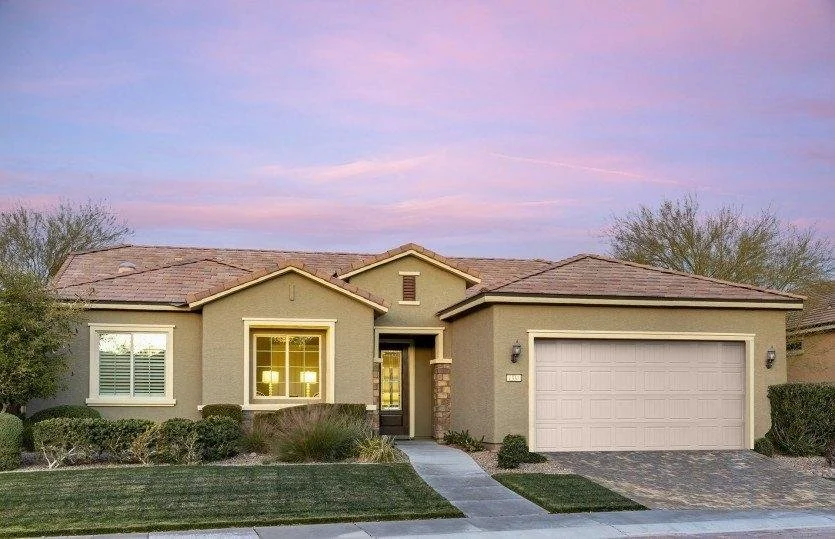
That space could serve as a guest room today and potentially accommodate an aging parent or another family member in the future.
The goal isn't to predict exactly what will happen. It's to choose a home that gives you options.
Balance Togetherness With Privacy
One of the biggest considerations in multigenerational living is finding the right balance between shared and private spaces.
Instead of looking only at the number of bedrooms, pay attention to where those rooms are located. A bedroom separated from the primary sleeping area may provide greater independence for an adult family member.
An additional living room, den, loft, guest suite, or other flexible area can also give household members places to follow their own routines without feeling disconnected from the rest of the family.
When touring a home, ask yourself: Does this layout give everyone enough room to be together—and enough room to have their own space?
Look for Spaces That Can Change With You
A room doesn't have to serve the same purpose forever.
A home office could later become a guest room. A den might become a playroom, hobby area, or quiet living space. An extra bedroom could accommodate visiting relatives today and a family member who moves in later.
Flexible rooms can be particularly valuable in a multigenerational household because they allow the home to respond to changing circumstances without immediately requiring a major renovation.
When comparing properties, consider not only what each room is today, but also what it could become.
Think About Accessibility Before You Need It
Age-friendly design isn't only for older adults. Many accessible features can make everyday living more convenient for everyone.
Consider entrances with fewer steps, easy-to-navigate hallways, practical bathroom layouts, and living spaces that are simple to move through.
If a home isn't currently accessible, consider whether important spaces could reasonably be modified later. A bathroom with enough room for future changes, for example, may provide more flexibility than a tight layout that would require extensive remodeling.
Thinking about these details early can help a home remain practical through more stages of life.
Don't Overlook Maintenance

A home that accommodates several
generations still needs to be
manageable.
Large yards, extensive landscaping, pools, multiple stories, and other features can add to the time and expense required for upkeep. As homeowners get older or household responsibilities change, maintenance that once felt manageable may become less appealing.
For some buyers, low-maintenance landscaping, smaller outdoor spaces, newer home systems, or communities where certain exterior responsibilities are handled by an association may be worth considering.
If you're looking at a home within an HOA, review its documents carefully to understand what the association maintains, what homeowners are responsible for, and the associated costs.
Consider the Community, Not Just the House
A home can have the perfect floor plan and still not be the right long-term fit if its location doesn't support the household's everyday needs.
A multigenerational family may need convenient access to very different things. Healthcare services may become increasingly important for older adults, while working family members may consider commute times and younger family members may have their own needs.
Shopping, recreation, parks, restaurants, healthcare, and community activities can all contribute to how practical a location feels over time.
When choosing a home, think about whether both the property and the surrounding community can support the lifestyle your household wants.
Think Five, Ten, or Even Twenty Years Ahead
No one knows exactly what their family will look like decades from now. The goal isn't to find a home that predicts the future, it's to find one that provides flexibility.
During a home tour, consider questions such as:
Could a family member comfortably live on the main floor?
Is there enough privacy for multiple adults?
Could rooms be repurposed as our needs change?
Would the property remain manageable to maintain?
Are everyday services and amenities conveniently accessible?
Could the home be adapted if mobility needs changed?
Looking at a property through this longer-term lens may reveal advantages or challenges, that aren't obvious from the listing description alone.
A Home for Today and Tomorrow
Nevada's housing needs will continue to evolve as its population does. In 2024, the state's Gen X and Baby Boomer populations each exceeded 640,000 residents, underscoring the importance of considering housing that can support people through different stages of life.
Age-friendly design and multigenerational living are closely connected because both emphasize adaptability.
A home doesn't have to be designed specifically for older adults or multigenerational living to work well for either. Sometimes, the most valuable features are simply a thoughtful floor plan, flexible rooms, accessible living spaces, manageable maintenance, and a location that continues to make everyday life convenient.
When you're choosing your next home, think about what works for your household now, but also consider what could help that home continue working for you in the years ahead.
Ready to Find a Home That Fits Your Next Chapter?
Whether you're planning for retirement, welcoming family under one roof, or simply thinking further ahead, choosing a home with flexibility can give you more options as life changes.
A local Nevada real estate professional can help you explore homes and communities based on the layout, location, lifestyle, and long-term features that matter most to you.
Cynthia M. Biskup
NV RE LIC# BS.0144567.mgr
Call or Text 702-672-5149
Email info@cindybiskuprealty.com
Websitehttps://www.cindybiskuprealty.com/
Whether you are interested in new communities like Vista Del Luna, want to learn more about Mesquite neighborhoods, or are ready to make your next move, KW VIP Realty Mesquite is here to help you feel right at home.
